Accueil » Articles publiés par Patiri Lambert (Page 181)
Archives d’Auteur: Patiri Lambert
Mes Photos sur Flickr

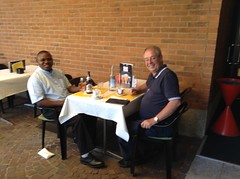
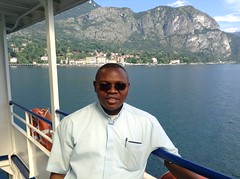
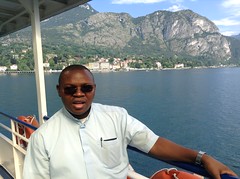
The Miraculous Healing of Eyes
The miraculous healing of my eyes gives me constant joy in my life. Before the healing, I wore glasses from 1991 to 2006 in Burundi. So I carried them for fifteen years. Then they were broken on August 21, 2006.
At that time, I could not see someone beyond five meters. After that I went to the eye doctor. After consultation, he immediately ordered eyeglasses from abroad. For this reason, I had to wait for the new glasses about three weeks. In addition, it was the time of the Charismatic Prayer Conference lead by Jean Pliya from Benin. He was preaching about healing and Gospel faith. Therefore many sick people were healed and I was one of them.
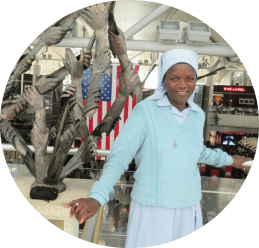
Sister FIdes NIJIMBERE (Bene Mariya)
I looked forward to the new glasses, and I joined in that charismatic prayer planned for a week. The healing of my eyes took place during the time of the procession of the Blessed Sacrament. It was the time of the prayer healing. Jesus in the Holy Sacrament healed me at that time. I told him, “Jesus, let me see you.” Suddenly I felt something changed in my eyes, and I could see clearly a little further. As soon as I saw the people a little farther, I became so upset. Additionally, that miraculous healing of my eyes during the prayer healing happened on the day the eyeglasses arrived, on October 5, 2006. Indeed it was a miraculous healing. For instance, when I tried to put on my new glasses, they were not matched to my eyes. Rather I felt better without them. So I have gradually healed. After that, on December 19, 2006, I went again to the doctor, Dr.Bireha. He realized that my eyes were healed and certified the cure by supporting medical documents.
After the healing, on December 21, 2006, I testified to the cure in a Liturgy called “Thanksgiving “ for all people who had been healed during that time. Finally, I put away the glasses.
In conclusion, the miraculous healing of my eyes caused the endless joy in my life.
By Sister Fides Nijimbere B.M
Partager

IDOMINIKA YA 25 YO MU MWAKA (Umwâka B)
IGISOMWA CA MBERE
Ivyo dusoma mu gitabu c’Ubwitonzi (2, 12. 17-20)
Ababisha ntibubaha ubuzima bw’intungane
Abiyumvira inabi mu mitima yabo bahora bibwira bâti : « Nimuze dutege umutego umuntu w’intungane, kuko adutesha ibikorwa vyacu, yama adutonganya ngo turenga amabwirizwa y’Imana, ngo dutukisha indero y’abasokuru twaronse. Reka turabe ko ivyo yivugisha ari ivy’ukuri, maze turabe amaherezo yiwe. Uwo muntu wintungane niyaba ari umwana w’Imana, Imana izomuhagarikira imukure mu minwe y’abansi. Nimuze tumutuke tumuturubike, turabe ingene yitonda n’aho ukwiyumanganya kwiwe kugarukira. Ngo tumwice nk’umubisha, ko avuga yuko hari uwumuhagarikira. »
IZABURI 53 (54), 3-4, 5, 6-8
Icit. : Umukama ni we nshimikiyeko.
Mana, n’unkize kubera izina ryawe, (suite…)
Partager

Saint Lambert de Maastricht: humble, visage lumineux, au service du Christ.

Saint Lambert
Saint Lambert (Landbertus = Lambertus ce qui signifierait: belle terre) qui vécut vers 636 – env.705 est né d’une famille noble à Maastricht.
Quand son père spirituel évêque Théodard fut tué en 671, saint Lambert a été élu évêque de Maastricht, malgré sa jeunesse. Il était aimé de son troupeau pour sa sainteté, ses exploits ascétiques et sa générosité dans l’aumône, mais il fut chassé de son siège en 675 après que son protecteur le roi Childéric II ait été assassiné.
Il se retira au monastère de Stavelot, où il a vécu pendant sept ans comme l’un des frères, ne revendiquant pas de privilèges en dépit de son rang épiscopal. Un jour, se levant pour prier pendant la nuit, il troubla accidentellement le silence monastique. L’Abbé (Supérieur du Monastère) enjoignit à celui qui était responsable de faire pénitence en se tenant debout pieds nus dans la neige devant une Croix à l’extérieur de l’église du monastère. Dans la matinée, l’Abbé fut consterné de voir l’évêque, debout, pieds nus, couvert de neige, devant la Croix, son visage lumineux. Il chercha à présenter des excuses, mais Lambert répondit qu’il était honoré de » servir Dieu comme les Apôtres, dans le froid et la nudité ».
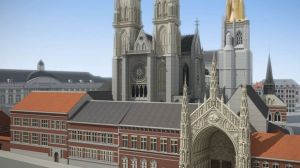
Cathédrale Notre Dame & Saint Lambert de Liège
Quand le roi Pépin de Herstal prit le pouvoir en 681, il rétablit Lambert sur son siège, malgré la volonté du saint de demeurer dans l’obscurité. Le saint évêque renouvela ses travaux pastoraux avec vigueur, visitant les paroisses les plus éloignées et prêchant l’Evangile aux païens qui habitaient encore la région, en dépit des risques et des menaces.
Mais quand le roi Pépin répudia sa femme et la remplaça par sa Alpaïs, saint Lambert fut le seul évêque qui osa lui faire des reproches. Pour cela, il s’attira les foudres d’Alpaïs, qui ordonna sa mort. Ses assassins firent leur œuvre de mal, même s’ils trouvèrent une croix brillant au-dessus de l’humble demeure où il séjournait.
Saint-Lambert est l’un des saints les plus aimés de Belgique, où de nombreuses églises paroissiales lui sont dédiées.
Son jour de fête dans le calendrier Église Catholique Romaine est le 17 Septembre. Le Lambertusfest à Münster a longtemps été une période fériée populaire, célébrée pendant deux semaines et aboutissant à la veille du 17 Septembre. Les enfants construisent des « pyramides de Lambertus » faites branches, décorées avec des lanternes et des lampes autour duquel ils dansent et chantent des chansons traditionnelles (connues sous le nom Lambertussingen ou Käskenspiel).
English version.
 Saint Lambert, Bishop of Maastricht (705) was born to a noble family in Maastricht. When his spiritual father Bishop Theodard was killed in 671, St Lambert was elected Bishop of Maastricht despite his youth. He was loved by his flock for his holiness, ascetic labors and almsgiving, but was driven from his see in 675 after his patron King Childeric II was assasinated.
He withdrew to the Monastery of Stavelot where he lived for seven years as one of the brethren, claiming no privileges despite his office. Once, getting up to pray during the night, he accidentally disturbed the monastic silence. The Abbot called out for whoever was responsible to do penance by standing barefoot in the snow before a cross outside the monastery church. In the morning the Abbot was dismayed to see the Bishop standing barefoot, covered with snow, before the cross, his face shining. The Abbot sought to apologize, but Lambert replied that he was honored to serve God like the Apostles, in cold and nakedness.
When King Pepin of Heristal took power in 681, he restored Lambert to his see, despite the Saint’s desire to remain in obscurity. The holy bishop renewed his pastoral labors with vigor, visiting the most distant parishes and preaching the Gospel to the pagans who still inhabited the area, despite danger and threats. But when King Pepin put away his wife and replaced her with his concubine Alpais, St Lambert was the only Bishop who dared to rebuke him. For this he incurred the wrath of Alpais, who ordered his death. His assassins carried out their evil commission, even though they found a cross shining above the humble dwelling where he was staying.
Saint Lambert is one of the best-loved Saints of the Netherlands and Belgium, where many parish churches are dedicated to him. His relics are now in the Belgian city of Liège.


