Accueil » Méditations » Homélies (Page 94)
Archives de Catégorie: Homélies
Mes Photos sur Flickr





« Si quelqu’un veut me suivre, qu’il renonce à lui-même, prenne sa croix et me suive ».
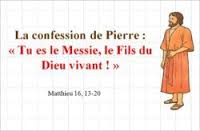 En chaque cheminement au cours duquel est en jeu une chose importante, tel un choix à faire, à un certain point, on est mis à l’épreuve. La foi et la vocation chrétienne à suivre Jésus ne font pas exception de ce parcours à faire et ces épreuves à affronter. En effet, être chrétien signifie ne pas se dérober à ces épreuves, et sur le modèle du Christ, cela signifie aussi savoir dire en ces circonstances difficiles : que soit faite, non pas ma volonté, mais la tienne (Cf. Lc 22,42). Ceci implique aussi le fait de savoir que l’on n’est pas seul et ainsi être capable de se confier à Dieu qui ne nous abandonne jamais, quand bien même on serait devant l’épreuve ultime : celle de la croix dont Pierre n’entend pas affronter derrière son Maître.
Dans la vie humaine, il existe donc des moments extrêmes au sein desquels personne ne peut nous remplacer. Ce sont des moments de décisions irrévocables, des moments du « oui » ou du « non » libre et responsable. On ne devrait plus être Mr ou Mme « Ouine », c’est-à-dire (suite…)
Partager

Le chrétien nourrit son intériorité en Jésus-Christ pour l’extérioriser dans sa vie.

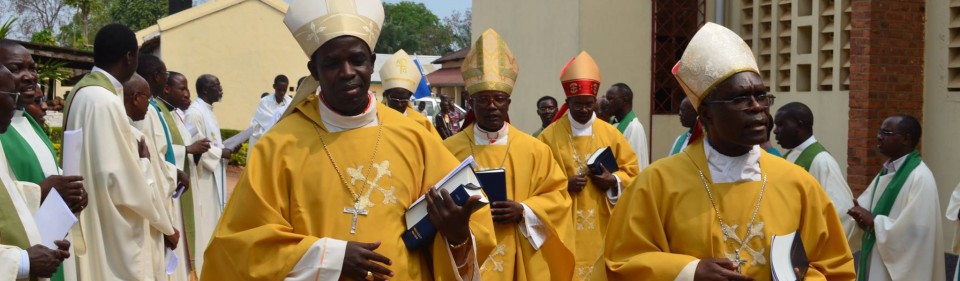
Dans la Cathédrale de Ngozi.
La contraposition entre l’obéissance et la liberté est typique d’une phase spécifique de la croissance : l’adolescence. Dans l’Evangile, l’attitude que Jésus nous présente est un exemple d’un christianisme adulte. Si d’une part, Jésus dénonce avec force ceux qui voudraient instrumentaliser la loi pour en faire un instrument d’oppression de l’homme, de l’autre, il nous met en garde : tout ce qui nous vient de l’intérieur n’est forcément positif. C’est pourquoi Jésus déplace l’attention vers notre monde intérieur qui est d’intentions, de motions et d’émotions.
Dans notre langage quotidien, nous nous rendons compte da la présence de beaucoup de lieux communs ( topoi en grec). Par exemple, on entend des personnes dire que (suite…)
Partager

Seigneur, à qui irions-nous? Tu as les Paroles de la vie éternelle. Nous voulons te servir.
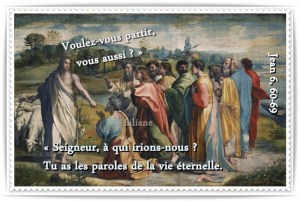 Avoir la foi en Jésus-Christ signifie faire un choix, ou mieux, faire un saut qui n’est pas des plus faciles. Pour ceux qui font ce choix/saut, les diverses interventions de Dieu dans l’histoire deviennent compréhensibles et pleins de sens et la radicalité du message évangélique, loin d’éloigner, remplit d’espérance et soutient la vie quotidienne. Au cas contraire, le message chrétien devient insupportable. A la fin de ce parcours du chapitre 6 de saint Jean (qui s’insère dans la lecture dominicale continue de l’Evangile de Saint Marc) que nous avons commencé il y a 5 semaines, nous sommes comme devant un échec de Jésus, puisqu’il ne veut pas faire des prosélytes à tout prix. Il veut plutôt accomplir la volonté du Père, sans demi-mesure ; c’est cette décision que prennent les fils d’Israël, avec Josué : ils ne veulent pas le 50-50, mais servir pleinement le Seigneur.
Abandonné par les foules (il ne cherche pas la productivité, les chiffres), Jésus pose aux apôtres la question centrale. En effet, le chapitre 6 de Saint Jean met au centre ma question de la divinité de Jésus, et par conséquent, la demande de croire en lui. Voulez-vous vous en aller, vous aussi ? Comme je le disais, il s’agit d’une décision qui est en quelque sorte un saut, puisqu’elle n’est pas sans risque : de celle-ci dépend le reste de la vie. L’adhésion de la foi est une décision raisonnable : quant à nous, nous croyons et nous savons que tu es le saint de Dieu. Mais elle n’est pas seulement une déduction logique. Bien qu’il y ait cette dimension intellectuelle, la foi comporte une dimension affective et une dimension existentielle de recherche du sens de vie et d’espérance. Il s’agit aussi d’un choix dicté par la foi : tu es le Saint de Dieu. Ces mêmes dimensions se retrouvent exprimées par le verbe SERVIR de la réponse de la communauté d’Israël : ce verbe permet de lier la pensée, l’amour et l’agir. Nous avons de plus en plus besoin de repenser ce lien en nos jours où les chrétiens doivent donner profondeur à l’action et concrétude à la pensée dans un contexte qui oscille entre des dévotions souvent privées de contenus et l’érudition pauvre d’assise évangélique. C’est ici l’origine de la crise : un spiritualisme sans vrai contenu (Jésus est Dieu ? C’est trop !) et un activisme sans base en Dieu (je vais faire le bien, pas besoin d’aller prier, même ceux qui y vont ne sont pas si meilleurs que les autres !).
Cette crise entre Jésus et ses disciples, les évangiles synoptiques la situent au cœur de la confession de Pierre à Césarée où Jésus interroge : « Et vous, que dites-vous ? Pour vous qui suis-je ? » (Cf. Mc 8, 27-33 ; Mt 16, 13-22 ; Lc 9, 18-22). Cela nous aide à comprendre que l’enjeu du passage de saint Jean que nous lisons ce dimanche n’est pas tant ce que dit Jésus mais ce qu’il est pour ses disciples, pour chacun de nous… Car ce qui a choqué la plupart des disciples ce n’est pas que Jésus prétende donner sa chair à manger, au sens propre du terme. Ce qui les a heurtés c’est qu’il prétende être d’origine divine et se présente comme le don ultime et définitif de Dieu. Jésus a d’ailleurs bien compris que c’est ici que le bât blesse. Voilà pourquoi il insiste sur sa divinité en se révélant comme celui qui vient accomplir la prophétie du Fils de l’Homme du prophète Daniel (Cf. Dn 3, 14) : « Cela vous heurte ? Et quand vous verrez le Fils de l’homme monter là où il était auparavant ?… C’est l’esprit qui fait vivre, la chair n’est capable de rien. Les paroles que je vous ai dites sont esprit et elles sont vie » (versets 61-63). Jésus pointe bien le lieu de vérité de notre foi dans notre manière de nous situer par rapport au mystère de sa personne.
Comme les disciples, nous sommes, nous aussi, invités à nous positionner. Jésus est-il pour nous le Fils de Dieu ou bien un prédicateur comme tant d’autres ? Est-ce que nous le considérons comme étant le seul capable de répondre à notre soif de bonheur parce que nous reconnaissons en lui la Parole divine de vie éternelle ? Au fond, être chrétien, n’est-ce pas se remettre chaque jour face à ces questions pour confesser à la suite de saint Pierre : « A qui irions-nous Seigneur, tu as les paroles de la vie éternelle ! » C’est ce même choix que font les fils d’Israël. Ils peuvent alors goûter comme est bon le Seigneur (psaume responsorial). Le texte de la première lecture semble nous dire que ce qui compte le plus ce n’est pas d’avoir une terre où habiter : si ils sont arrivés dans la terre promise, tout n’est pas joué, toutes les garanties ne sont pas aux fixes. Il faut maintenant décider quel Dieu suivre et servir.
Comme le peuple d’Israël, ce jour-là à Sichem, puissions-nous répondre de tout notre cœur, de toute notre âme et de toute notre force : « Nous aussi, nous voulons servir le Seigneur, car c’est lui notre Dieu ». Mais comment ne pas être pris de vertige devant un tel choix, si nous sommes conscients de nos limites et nos chutes répétitives ? Comment ne pas douter de notre capacité à tenir un tel engagement ! Comment ne pas remettre sans cesse à demain une telle décision ! C’est ici qu’il faut détourner notre regard de nous-mêmes pour le tourner vers le Seigneur. De même qu’il nous aimé le premier, il s’est engagé le premier en notre faveur et c’est dans son propre engagement à notre égard que nous trouverons la force de tenir le nôtre. Il y a même bien plus : notre Dieu nous dit que même s’il nous arrivait de nous montrer infidèles, lui resterait fidèle car il ne pourrait se renier lui-même (Cf. 2 Tm 2, 13). Dès lors comment aurions-nous peur ? C’est ici alors que nous pouvons sauter, dans l’inconnu, comme nous le rappelle cette histoire de cet enfant qui doit sauter vers les bras de son Père, même quand la fumée est épaisse et lui empêche de voir son Père qui attend. Lisez-la en cliquant sur ce lien.


